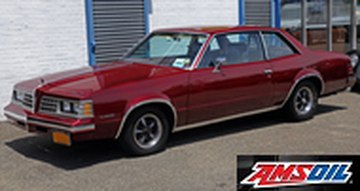
Engine Lubrication Maintenance for the 1981 Pontiac LEMANS 3.8L
Maintaining a vehicle from the early 1980s requires a proactive approach to fluid management and mechanical inspection. For the 1981 Pontiac LEMANS equipped with the 3.8L engine, consistent attention to lubrication is a fundamental aspect of long-term engine health. Because older engines may exhibit different sealing characteristics or material behaviors compared to modern vehicles, owners should focus on regular monitoring and informed lubricant selection.
Monitoring Fluid Integrity and Potential Seepage
One of the most effective ways to monitor the condition of an engine is through frequent visual inspections. For a vehicle of this age, checking for signs of fluid seepage or leakage can provide early indication of where maintenance may be required. It is helpful to inspect the area around the engine block and various sealing surfaces for any evidence of wetness or residue.
When performing these checks, look for:
- Evidence of oil weeping from gaskets or seals.
- Accumulations of grime that may indicate a slow leak.
- Changes in the cleanliness of the area surrounding the engine.
If any signs of leakage are observed, they should be investigated promptly. While a small amount of seepage is not always indicative of an immediate failure, addressing it early can prevent more significant issues. Furthermore, checking the level of the lubricant using the appropriate dipstick method ensures that the engine remains properly filled between service intervals.
Observing Changes in Engine Operation
Beyond visual inspections, paying attention to how the vehicle behaves during operation is a vital part of ownership. Changes in the way an engine sounds or smells can be associated with various lubrication-related factors. For instance, if you notice unusual odors after the engine has reached operating temperature, it may indicate that lubricant is contacting a hot surface.
It is also important to monitor for any changes in how much oil the engine seems to use between service intervals. If you find yourself needing to add lubricant more frequently than previously required, this warrants an inspection of the engine's seals and overall condition. Note that many different factors can cause changes in engine behavior or fluid consumption; therefore, a single symptom should be viewed as a reason for investigation rather than a definitive diagnosis of a specific component failure.
Prioritizing Maintenance Based on Current Condition
For owners of a 1981 Pontiac LEMANS, effective maintenance is often about distinguishing between necessary repairs and unnecessary parts replacement. Rather than following a rigid schedule based solely on the age of the vehicle, it is often more practical to prioritize tasks based on the actual current condition of the engine and its components.
Establishing a maintenance baseline is highly beneficial, especially if the previous service history of the 3.8L engine is unknown. By documenting every oil change, filter replacement, and observed leak, you create a reliable record that helps identify trends over time. If you are working with a vehicle that has little to no documented history, your first priority should be to verify all fluid levels and inspect aging materials—such as hoses or belts, if equipped—to understand the current state of the engine compartment.
When managing maintenance priorities, address active concerns first. This includes investigating any reported warning signs or addressing visible leaks before moving on to general preventive tasks. This condition-based approach ensures that resources are directed toward the most impactful maintenance actions.
Managing Aging Engine Components
As vehicles age, certain components may undergo changes in their physical properties. For a 1981 model, it is wise to keep an eye on various peripheral systems that support engine operation. If equipped, inspect accessible drive belts for signs of deterioration such as cracking, glazing, or fraying. Similarly, if the vehicle is present with various rubber hoses, check them for excessive softness, hardening, or visible cracks.
Electrical connections and wiring should also be inspected periodically to ensure they remain secure and free from corrosion. Maintaining clean and tight electrical paths helps prevent erratic engine behavior that could otherwise be mistaken for mechanical issues. By combining these routine checks with regular lubrication service, you can maintain a clearer picture of the vehicle's overall health.
The Role of Lubricant Quality in Engine Longevity
Engine oil performs several critical roles that are essential for the continued operation of the 3.8L engine. Beyond providing a layer of protection between moving parts, the lubricant helps manage heat and assists in the removal of contaminants from the internal environment. Over time, even high-quality lubricants can accumulate debris or undergo chemical changes due to thermal stress.
Regularly replacing the oil and filter prevents the buildup of deposits that could potentially interfere with engine components. Some high-mileage oil formulations contain additives intended for use in aging engines, including seal-conditioning additives that may assist in maintaining the flexibility of older gaskets and seals. While these formulations can be a useful tool for managing an older engine, they should be selected based on the specific needs and current condition of your vehicle.
Practical Guidance for Buying Engine Oil for your 1981 Pontiac LEMANS 3.8L
When it is time to replenish your engine's lubricant, the most important step is to ensure that the product you select matches the specific requirements of your application. Do not rely on general automotive knowledge or assumptions based on the vehicle's age to determine which grade to use.
To make an informed purchase, follow these steps:
- Match the engine oil to the application-specific viscosity information already displayed on this webpage.
- Verify that the product meets the appropriate API certification listed on the container.
- Consider whether a conventional, synthetic blend, or full synthetic formulation is most suitable for your specific driving habits and the current condition of your engine.
- If you are managing an engine with higher mileage and visible seepage, look into high-mileage formulations that may offer seal-conditioning benefits.
- Always check the product labeling carefully to confirm it aligns with the technical data provided for this 1981 Pontiac LEMANS.
By strictly adhering to the viscosity and application details provided in the vehicle information above, you ensure that the lubrication system receives the exact type of fluid necessary for its design.